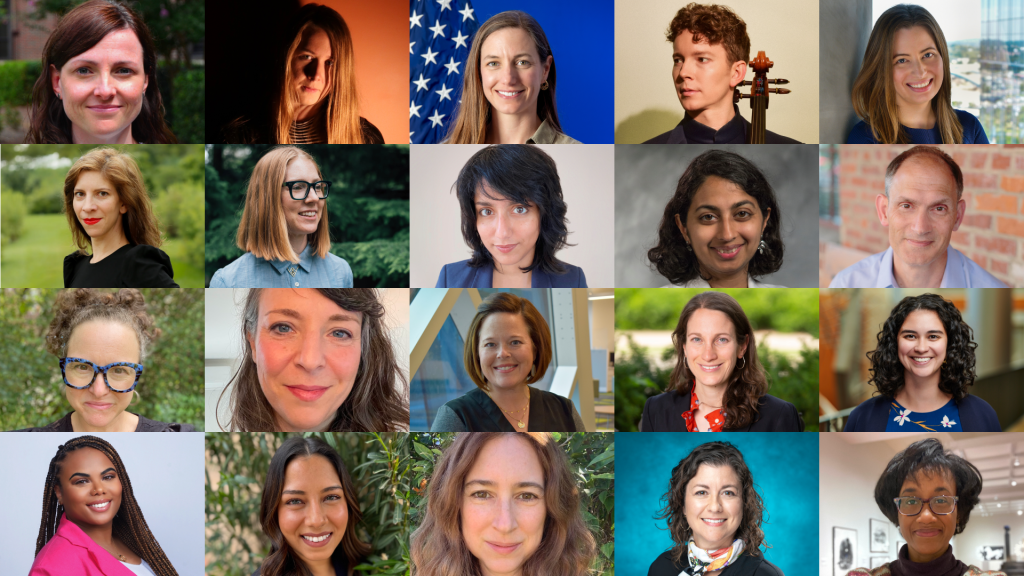
The third annual Renée Fleming Neuroarts Investigator Awards, established by the Renée Fleming Foundation and administered through the NeuroArts Blueprint Initiative, will support 10 teams of early-career investigators working across sciences and the arts to advance the emerging field of neuroarts.
Neuroarts is an interdisciplinary field, rooted in the science of neuroaesthetics and ways of knowing, which explores how the arts and aesthetic experiences change the brain, body, and behavior and how this knowledge can be applied to advance health and well-being across society.
The purpose of the program is three-fold, with each goal critical for building the field of neuroarts:
- Provide seed funding for early career researchers and arts practitioners to collaborate on innovative neuroarts research
- Identify and fill key gaps in neuroarts research
- Develop and support a new generation of neuroarts professionals
Each Award is presented to an interdisciplinary team of researchers, consisting of an early-career researcher who is affiliated with an academic institution and engaged in a field of basic science related to neuroarts and an arts practitioner working in an arts-based neuroarts discipline.
Learn more about the ten 2026 Renée Fleming Neuroarts Investigator Award recipient teams and their projects:
The Music Within: Neural Markers of Imagined Sound and Memory
Claire Arthur and Alexandria Smith, Georgia Institute of Technology
Musical imagery—the experience of hearing music internally without external sound—is a common yet poorly understood aspect of human cognition, exemplified by musical ‘earworms.’ This project will investigate whether electroencephalography (EEG) can detect and characterize musical imagination, and how individuals mentally navigate through remembered musical structure.
This research integrates cognitive science with artistic expertise in musical improvisation to design musically meaningful, time-locked imagery tasks for imagining, recalling, and transforming musical material. Participants will engage in listening and imagining conditions, allowing comparison of neural signals across silence, perception, and imagination. The study will examine whether distinct forms of musical navigation—such as continuation or return to earlier material—are reflected in neural dynamics.
By identifying neural signatures of musical imagery, this project supports the study of internal musical experience, with implications for music practices, health, and accessibility, including imagery-based therapies with populations for whom overt musical production is limited.
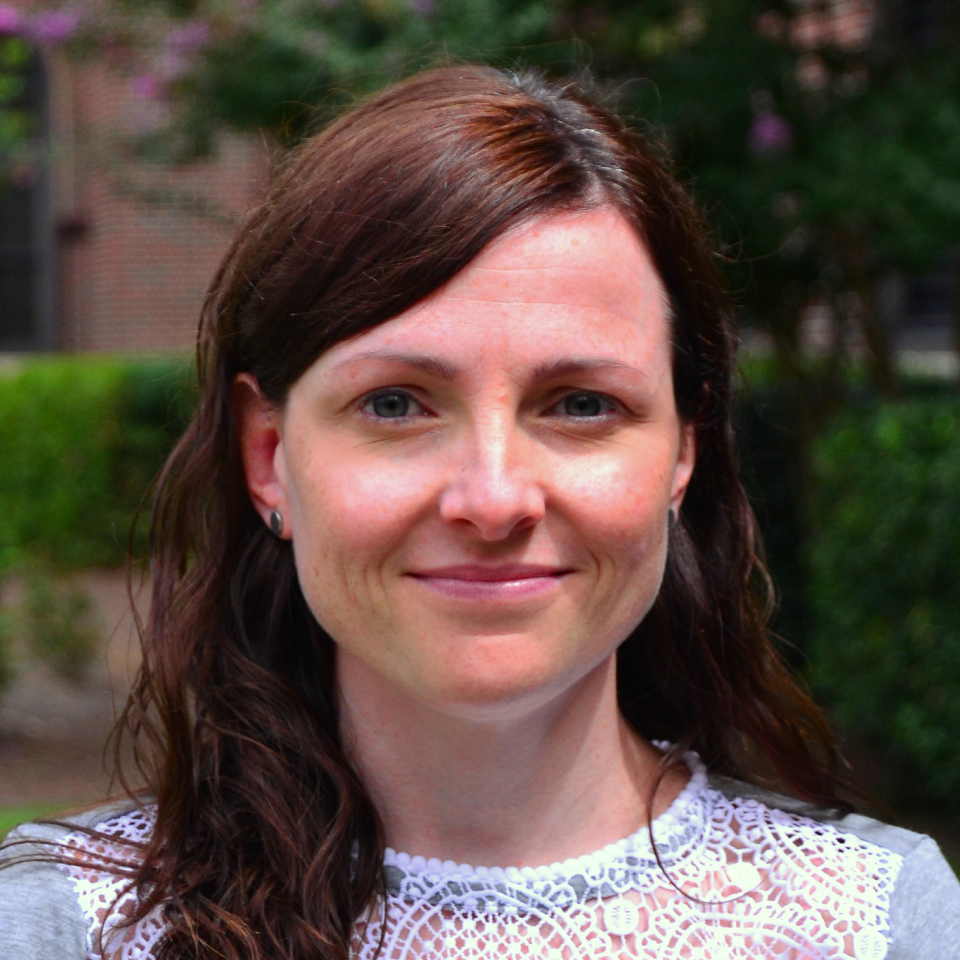
Claire Arthur
Dr. Claire Arthur is an Associate Professor in the School of Music at the Georgia Institute of Technology. Her research program focuses on the computational, cognitive, and neural bases of how musical structure influences expectation and behavior. Her work integrates methods from computational musicology, music information retrieval (MIR), and music perception and cognition to develop and test statistical models of musical structure and their behavioral and neural correlates.
A central aim of Arthur’s research is to understand how listeners form and update expectations about musical events— and how those expectations relate to memory, reward, and emotional response. Her computational work aligns behavioral data with digital representations of music, providing quantitative predictions that are then tested in behavioral and computational experiments. Her research has been published in leading venues, including Music Perception, Musicae Scientiae, Journal of New Music Research, Psychology of Music, Music & Science, and ISMIR.
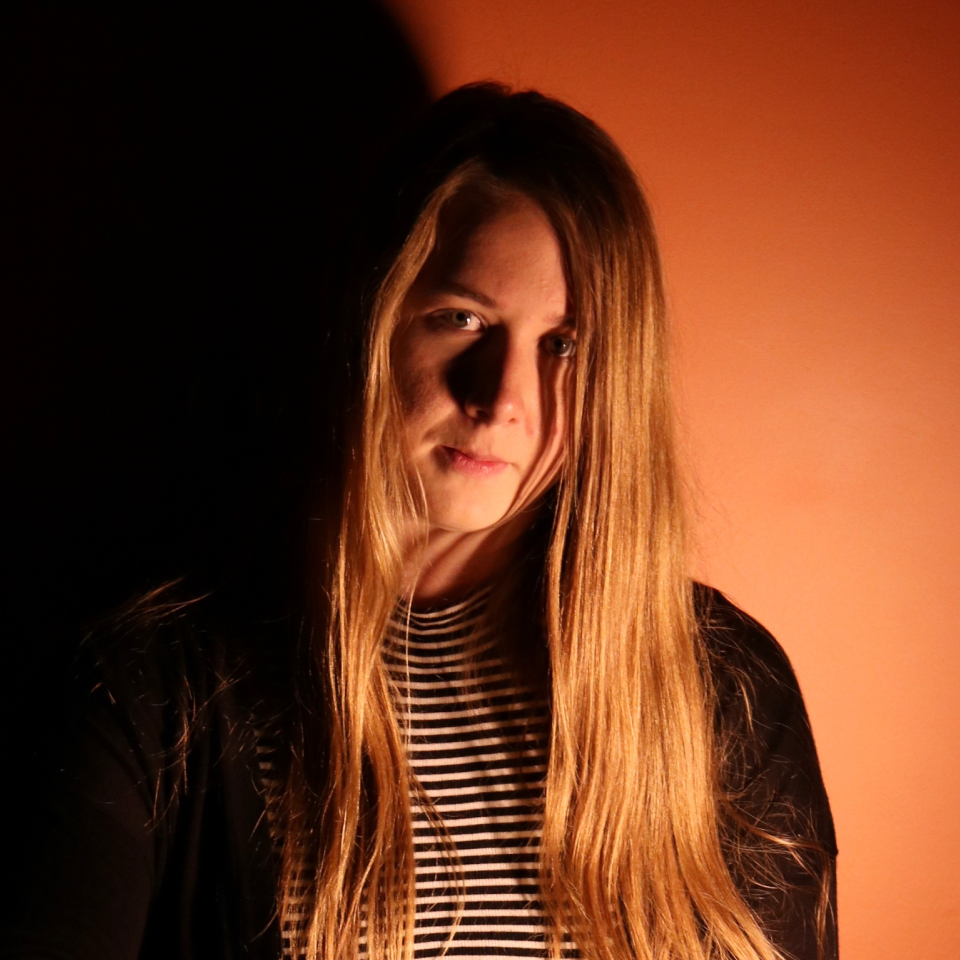
Alexandria Smith
Dr. Alexandria Smith is an Assistant Professor at Georgia Tech specializing in the design of performance systems, biofeedback music, data-driven music, and human–computer interaction. A central aim in her research is to advance data-driven music as a rigorous research methodology by designing interactive systems, installations, and instruments that sonify data in ways that are sonically, analytically, and socially meaningful. Her research has been published in leading venues including the International Computer Music Conference, International Conference on New Interfaces for Musical Expression, Audio Engineering Society, Society for Electroacoustic Music in the United States, and Arcana Musicians on Music X.
Smith is an internationally active performer/composer working at the forefront of electronic music, improvised music, and trumpet performance. Musically versatile, she has had a residency at the Stone NYC and performances on the Future of New Trumpet (FONT) Festival, the VI Semana Internacional de Improvisación in Ensenada, French Quarter Fest, and more.
Music for Autonomic Rehabilitation in Long COVID: A Pilot Study
Elizabeth Bast, Miami Veterans Medical Center and Joshua Roman, cellist and composer
This pilot study examines how music modulates autonomic function in Long COVID through a collaboration between internationally recognized cellist Joshua Roman and Miami VA Long COVID researchers. The team will conduct a randomized crossover trial with 30 veterans, comparing three delivery modes: live interactive performance, live-streamed sessions, and self-guided recorded listening. The study will measure heart rate variability, brain-heart coherence, and inflammatory markers to understand the psychophysiological mechanisms underlying music’s therapeutic effects.
Building on preliminary data from Joshua Roman’s Immunity project showing audience benefits, this project addresses three key questions: Which mechanisms (HRV patterns, brain-heart coherence) drive music’s effects on immune-mediated disease? Does delivery mode differentially engage autonomic pathways? What roles do neurobiological entrainment, social connection, and parasympathetic activation play in therapeutic outcomes?
This work advances the field of neuroarts by establishing mechanistic understanding of aesthetic experience’s physiological effects, comparing delivery science across engagement modes, and creating a scalable artist-clinician model.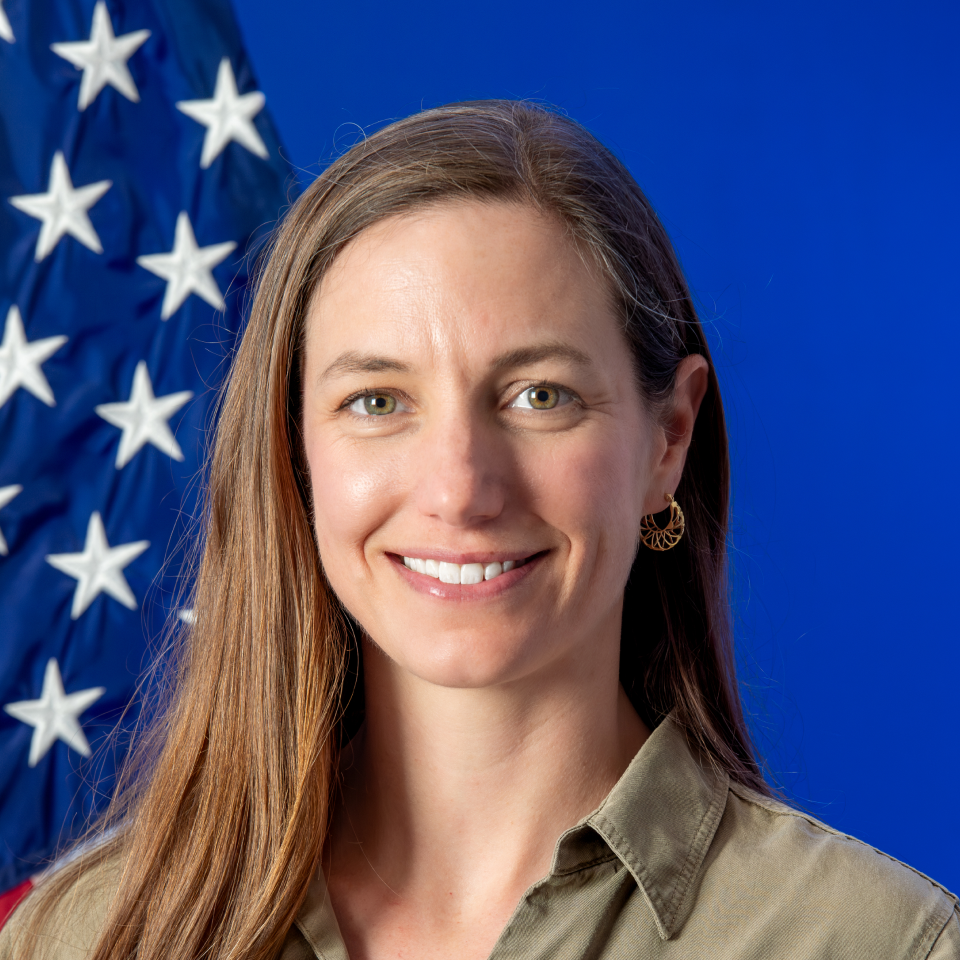
Elizabeth Bast
Dr. Elizabeth Bast is an early-career clinician-researcher at the Miami Veterans (VA) Medical Center, with appointments at both the Nova Southeastern University Institute for Neuro Immune Medicine (INIM) and Florida International University. As co-director of the Miami VA Long COVID and Chronic Multisymptom Illness Clinic, both her clinical and research work focus on Long COVID. Her clinic uses innovative, integrative, and interdisciplinary approaches to help ameliorate fatigue, post-exertional malaise (PEM), and cognitive symptoms of Long COVID, with a focus on activating parasympathetic pathways as part of an autonomic rehabilitation program.
Her research focuses on improving understanding of the pathophysiologic basis of Long COVID, as well as developing treatments for patients. In addition to her Long COVID research, she focuses on Gulf War Illness and has experience in clinical research as a co-investigator or local site PI on multi-site clinical studies.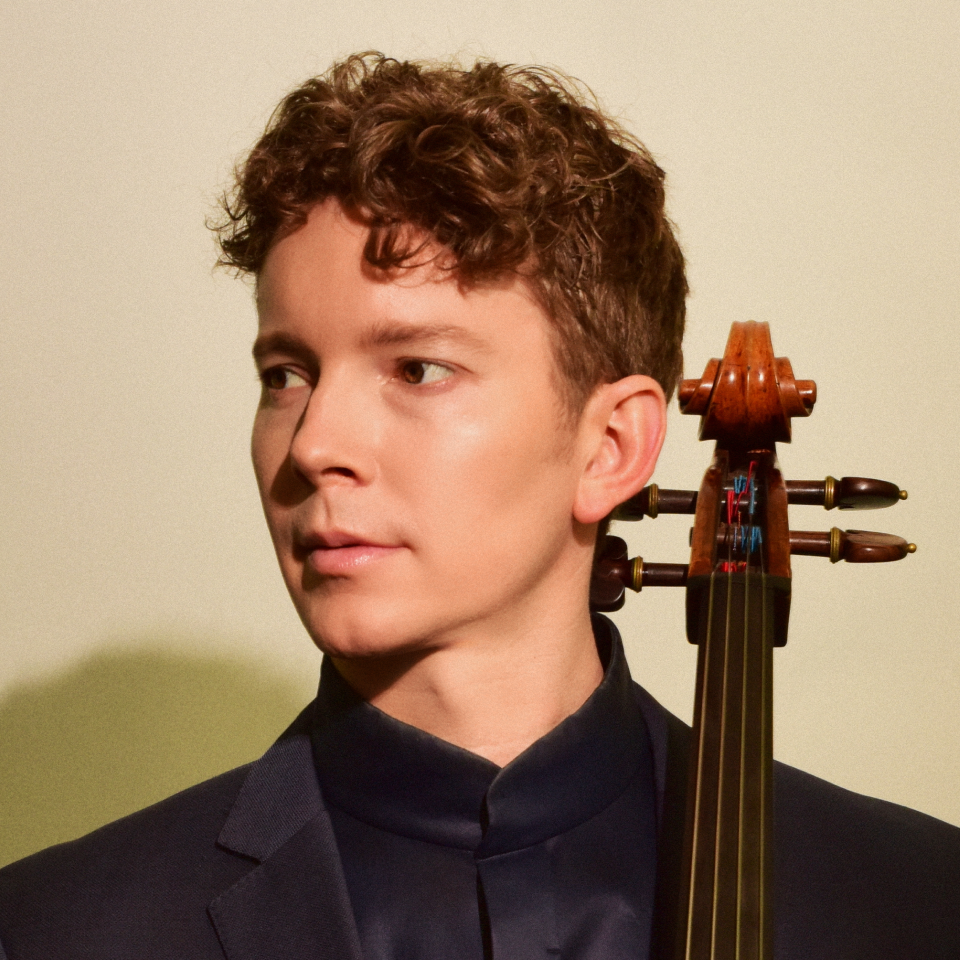
Joshua Roman
Joshua Roman is a cello soloist and composer, hailed for his “effortlessly expressive tone… and playful zest for exploration” (New York Times) and his “extraordinary technical and musical gifts” (San Francisco Chronicle). A former principal cellist of the Seattle Symphony and a TED Fellow, he is rooted in classical music while extending his work beyond the concert stage, integrating performance, dialogue, and collaboration to explore music’s connection to health, resilience, and human experience.
His project Immunity, developed in response to his experience with Long Covid, reimagines the concert as a space for reflection and shared understanding. Through performances and conversations, the project has generated qualitative audience insights and experiential data around music’s impact, now serving as a foundation for continued exploration. Roman has collaborated with artists including Yo-Yo Ma, Bill T. Jones, and Anna Deavere Smith, and continues to shape a path for classical music with cultural and scientific inquiry.
Sticks and Kicks: Using fNIRS to Explore Rhythmic Improvisation in Drummers and Tap Dancers
Katelyn Berg, Washington University School of Medicine in St. Louis and Elinor Harris, Washington University in St. Louis
This project explores the science of musical improvisation by studying two types of expert rhythm- makers: drummers and tap dancers. While both create complex rhythms in real time, drummers use their hands and tap dancers use their feet, offering a unique opportunity to compare how the brain and body collaborate during creative performance. Using behavioral analysis and wearable brain imaging technology that measures neural activity during natural movement, the researchers will identify what distinguishes improvised from rehearsed rhythmic performance and how creative strategies differ across upper- and lower-body movement.
Understanding the mechanisms behind rhythmic improvisation has broad implications: improvised music and dance are increasingly used in therapeutic settings to support people with Parkinson’s disease, dementia, and hearing loss. By building a scientific foundation for how expert performers create rhythm spontaneously, this research will help inform future arts-based interventions that promote health, agency, and well-being.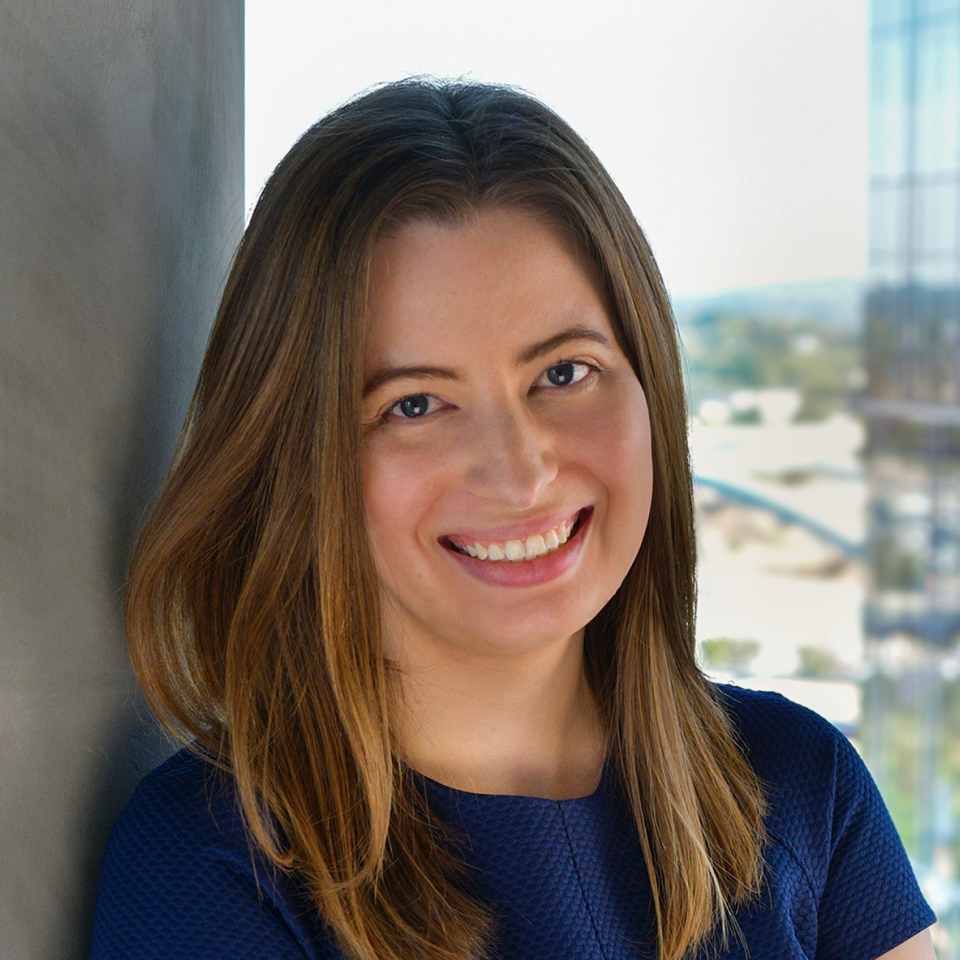
Katelyn Berg
Dr. Katelyn Berg is a clinician-scientist working at the intersection of auditory neuroscience, music cognition, and rehabilitative medicine. She is an Assistant Professor in the Department of Otolaryngology–Head and Neck Surgery at Washington University School of Medicine in St. Louis, with a joint appointment at Vanderbilt University School of Medicine. Her research investigates how people perceive and process music and complex sound, with a focus on optimizing auditory experiences for individuals with hearing loss.
An early-career researcher with over 30 peer-reviewed publications in journals including JAMA Otolaryngology, the Journal of the Acoustical Society of America, and Frontiers in Neuroscience, her work has been supported by funding from the NIH. As a licensed clinical audiologist, she is committed to translating neuroscience and arts-based research into clinical practices that improve quality of life for people with hearing loss.
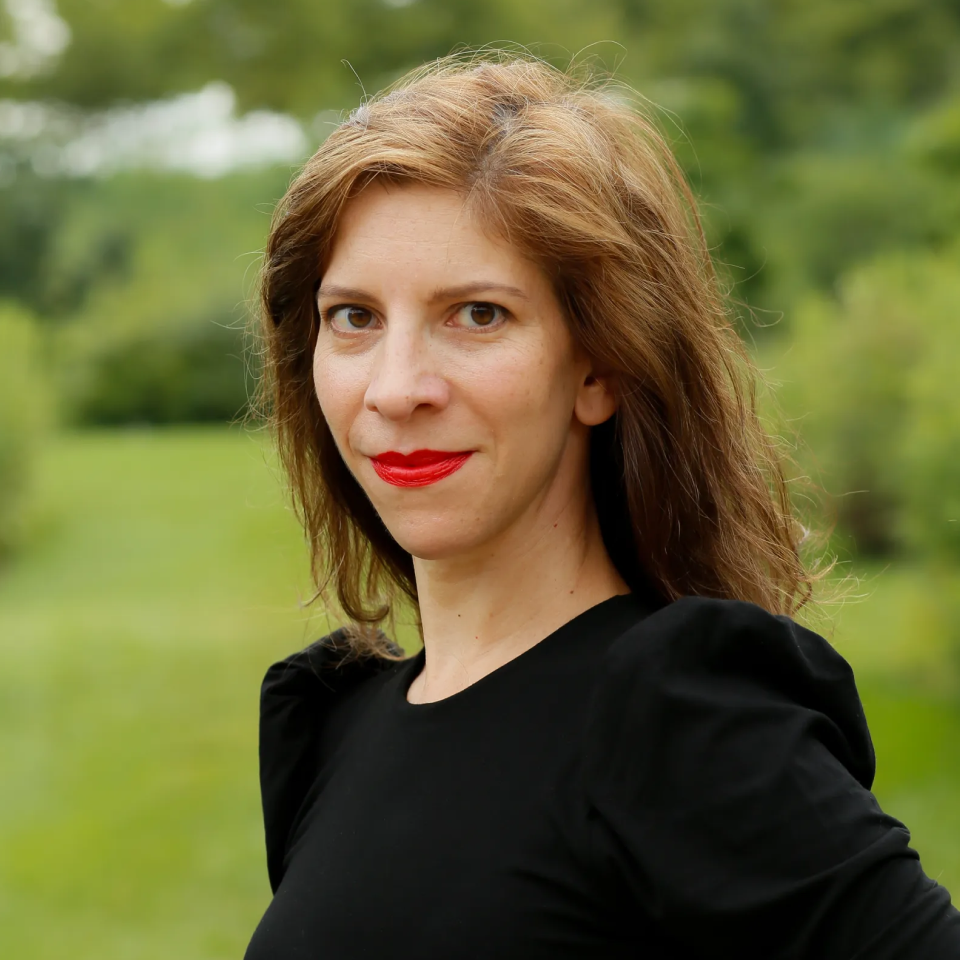
Elinor Harrison
Dr. Elinor Harrison is a dancer, singer, choreographer, and movement scientist working at the intersection of arts and neuroscience. She is a Lecturer in the Performing Arts Department and faculty affiliate in Philosophy-Neuroscience-Psychology at Washington University in St. Louis. Her innovative course, "You think, so you can dance?", has received media attention (The New York Times, NPR) and has become a launching pad for students pursuing careers in both the arts and medicine over the last decade.
Her research investigates how music and dance can improve health and well-being for people with motor impairment due to aging or neurological decline. A method she developed using singing to improve walking for people with Parkinson's disease has led to several awards and publications. An active dancer and choreographer, she regularly performs and stages original dance-theatre works. She is also involved in advocacy and outreach work to promote arts and wellness practices worldwide.
Neural Patterns of Meaning-Making to Study How Art Produces Shared Social Realities
Heidi Biggs, Georgia Institute of Technology and Sonali Gupta, Wavelet Labs
Does artistic interpretation generate shared social realities, and can we empirically capture collective meaning-making through neural activity? Emerging research suggests that the brain’s Default Mode Network (DMN) encodes conceptual and symbolic meaning. This project investigates whether alignment in DMN connectivity patterns can serve as a neural marker of shared meaning across individuals and artistic mediums. The researchers will interview artists working across virtual reality, film, literature, and visual arts while recording their neural activity via fMRI and/or qEEG throughout the production process. Completed works will then be interpreted by audiences, whose DMN connectivity patterns will be compared to each other and to the artists’ to assess narrative and neurological convergence.
Establishing neural indices of shared meaning-making empirically positions art as a vector for community resilience during periods of sociopolitical fragmentation. DMN connectivity will be further explored as a target for narrative-based neurofeedback and clinical mental health applications.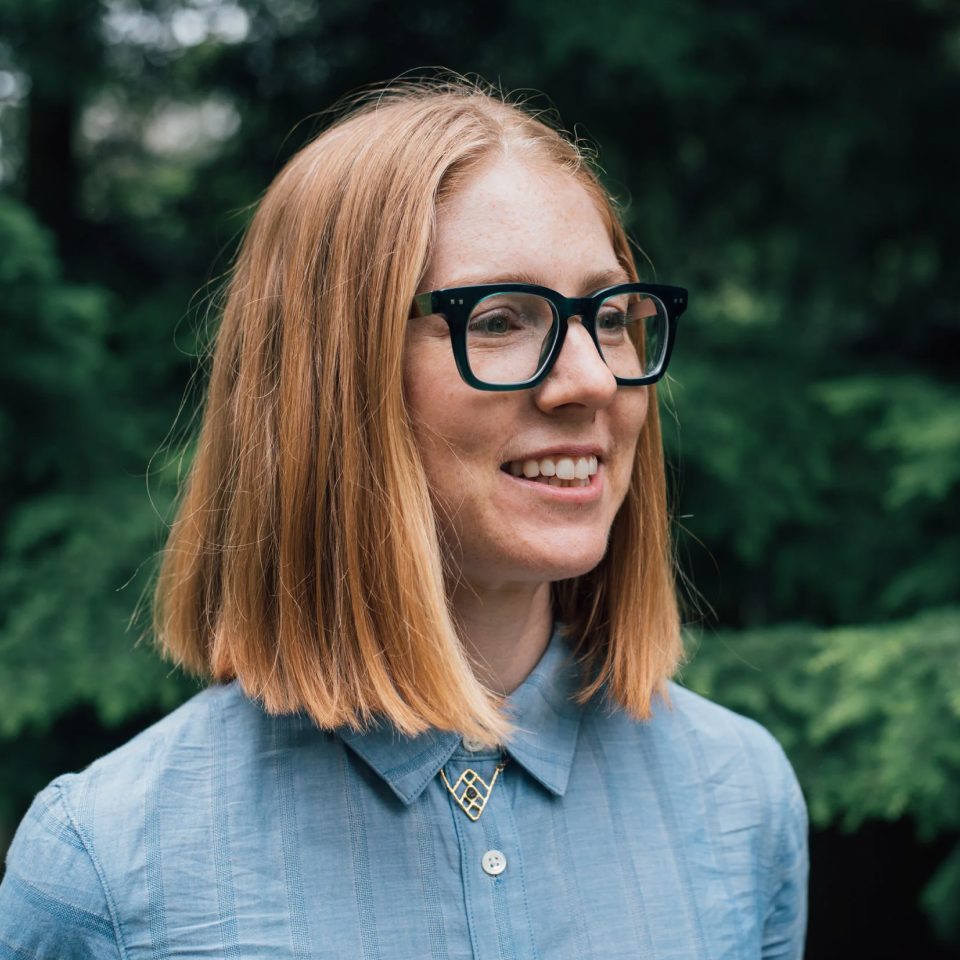
Heidi Biggs
Dr. Heidi Biggs is a design researcher and assistant professor at Georgia Tech’s School of Literature, Media, and Communication in the Department of Digital Media. Their research asks how the design of information technologies build and mediate relationships to the world, what values and stories underlie those relationships, and what other types of relations are possible to build through critical approaches to art, design, and making.
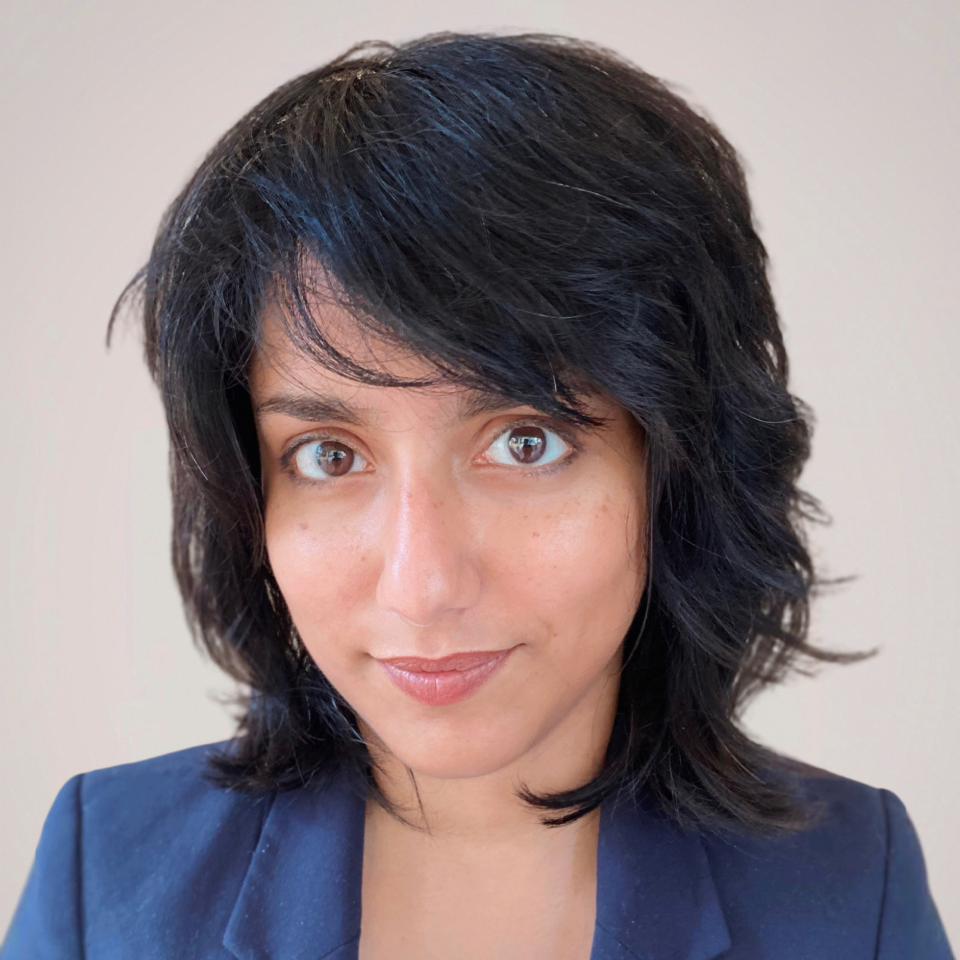
Sonali Gupta
Dr. Sonali Gupta is a scientist and developer at Wavelet Labs, where she programs brain-computer interfaces for precision neurological therapeutics. A fascination with collective intelligence and emergent behavior threads through her work, from her doctoral research in synthetic biology, where she engineered distributed computation in bacteria, to her art practice, most recently creating immersive exhibits and custom wearables to explore network dynamics and decision-making. Across these domains, she seeks to develop platforms that illuminate new ways of interacting with our bodies, the earth, and each other.
“Parkinson’s, And”: Medical Improv for People with Parkinson’s Disease
Sneha Mantri and Daniel Sipp, Duke University School of Medicine
Parkinson’s disease (PD), the world’s fastest-growing neurodegenerative condition, affects more than one million Americans. Characterized by loss of dopamine production, PD impacts multiple body functions; one of the most challenging is bradyphrenia (slowness of thought), a major barrier to daily communication. Growing evidence supports the use of non-pharmacological techniques, including medical improv, to treat bradyphrenia, even without adjustments in medications. By improving participants’ ability to express their needs, improv may further build confidence, community, and connections, leading to downstream psychosocial benefit.
The objective of this project is to understand the impact of medical improv on participants’ well-being, as measured by validated measures of social isolation, stigma and symptom burden. The team hypothesizes that participation in a structured improv program will enhance both motor and non-motor symptoms and quality of life, setting the stage for a larger, randomized controlled trial of improv in PD.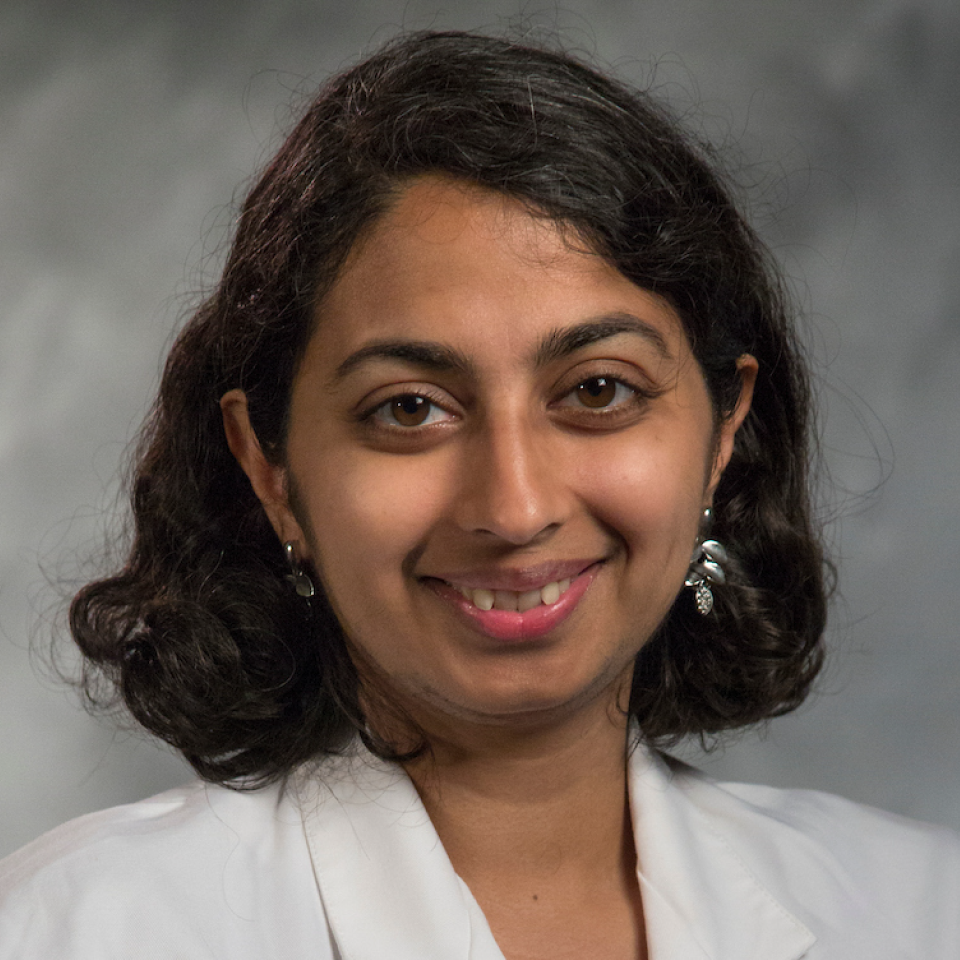
Sneha Mantri
Dr. Sneha Mantri is an Associate Professor of Neurology at Duke University, Director of Medical Humanities at the Trent Center for Bioethics, Humanities, and History of Medicine, and Chief Medical Officer of the Parkinson’s Foundation. A graduate of Columbia University’s College of Physicians and Surgeons and Master of Science program in narrative medicine, Dr. Mantri completed her clinical training at the University of Virginia and the University of Pennsylvania/Philadelphia VA before joining the faculty at Duke University.
She has published extensively on the use of health humanities and arts in both the educational and clinical spheres to enhance the well-being of learners and patients alike. She is a Macy Faculty Scholar (2024), Fellow of the American Academy of Neurology (2025), and a founding member of the Writing in Health Professions Collaborative (2025).
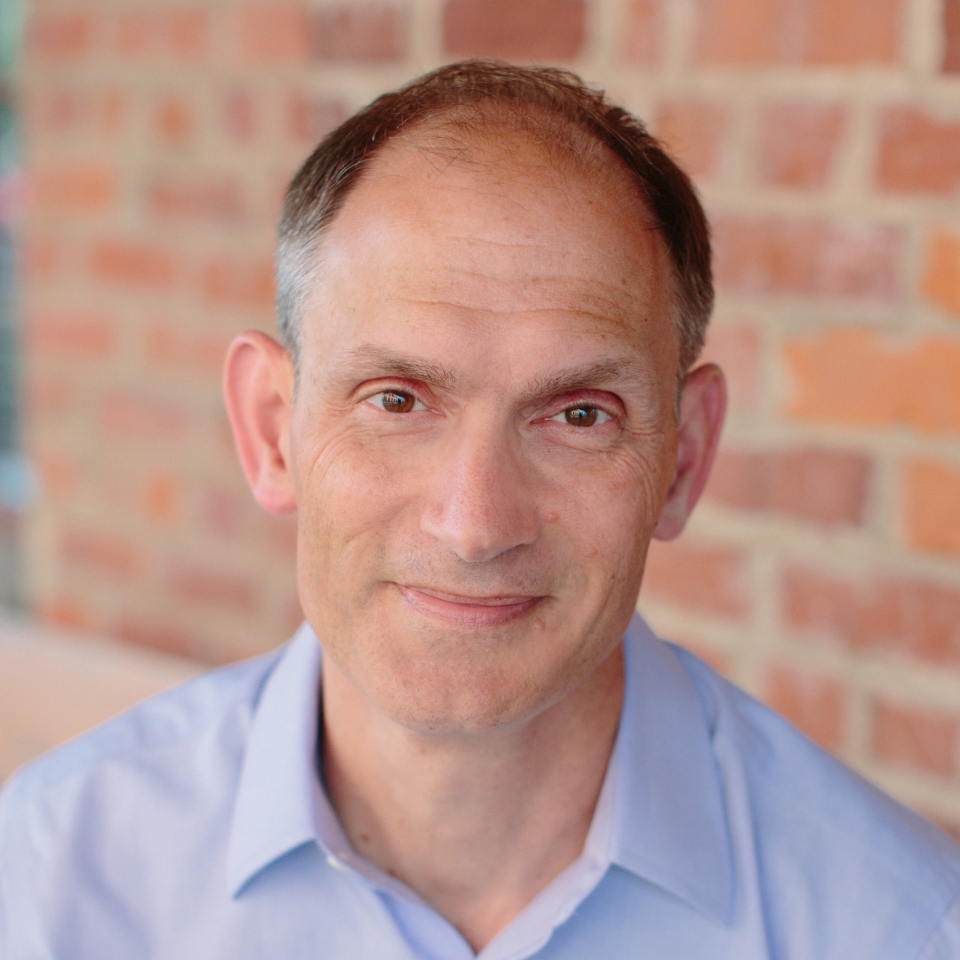
Dan Sipp
Dan Sipp is a North Carolina native with over 35 years of professional experience as a performer, director and educator. He studied improvisational theater in Chicago with some of the leading names in the field and taught for the ImprovOlympic before heading up his own training center in Raleigh, NC. He is now the Standardized Patient Training Coordinator for Duke University School of Medicine.
Dan has been collaborating with the creators of Medical Improv, Katie Watson and Dr. Belinda Fu, since 2013. He is now a trainer for their national Train the Trainer workshops. He has been teaching Medical Improv workshops for students and practitioners in the Duke University Health System since 2016. He also co-founded the Medical Improv Collaborative, a national organization of health care trainers integrating theater exercises into the medical humanities.
We Made This Film: An Investigation of Filmmaking as a Therapeutic Tool in School-based Occupational Therapy
Dr. Lisa Raymond-Tolan, New York University and Julie Meslin, We Made This Film
This project investigates the therapeutic efficacy of filmmaking within school-based occupational therapy (OT). It explores how child-driven, creative media interventions impact executive functioning, fine motor skills, and social-emotional learning in children with special needs. Rooted in Self-Determination Theory, the project specifically examines how shifting from traditional models to film-based interventions enhances student autonomy and intrinsic motivation.
The study employs a two-phase qualitative and mixed-methods approach. Phase 1 involves OT practitioners through journaling, surveys, and focus groups to assess professional impact and IEP goal progress. Phase 2 amplifies student voices through interviews and surveys regarding their lived experiences as filmmakers. The project integrates clinical OT data with arts-based outputs to address existing research gaps. By challenging disability stigma and validating filmmaking as a multifaceted clinical tool, this collaborative project promotes occupational justice and establishes an innovative, replicable framework for inclusive, arts-based special education.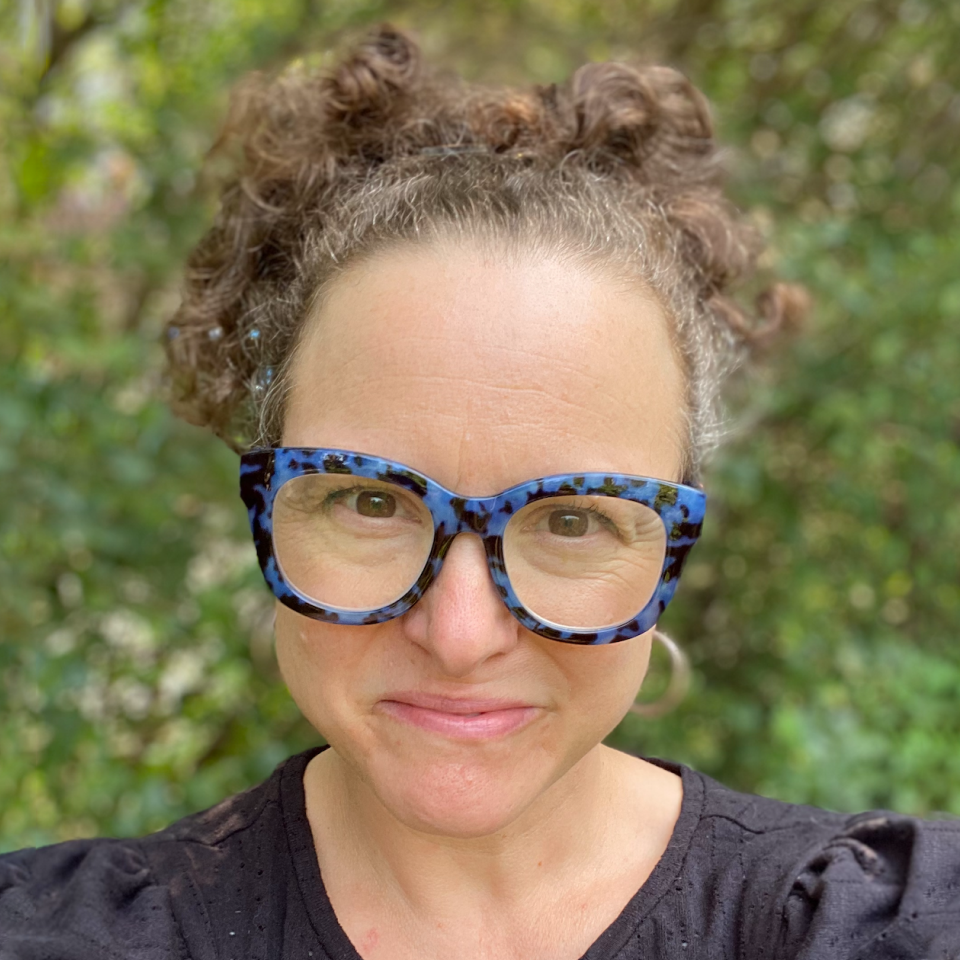
Lisa Raymond-Tolan
Dr. Lisa Raymond-Tolan is a Clinical Assistant Professor of Occupational Therapy at New York University, where her courses include Pediatrics, Foundations of OT, and Teaching for the Health Professions. Her research focuses on social media as learning tools, play as an occupation, and executive functioning. Lisa recently presented three projects at the World Federation of Occupational Therapy Congress in Bangkok, and will be presenting at the American Occupational Therapy Association’s upcoming conference with the Occupation of Play Community of Practice, of which she is a co-facilitator.
She received the NYU Teaching Advancement Grant for her program to bring OT students to an adventure playground to observe and experience true child-led play. Her most recent publication, “Play's the thing: How do occupational therapy programs teach about play?” was published in the Journal of Occupational Therapy Education. Lisa has been a school-based occupational therapist practitioner for 17 years at Community Roots Charter School in Fort Greene, Brooklyn.
Julie Meslin
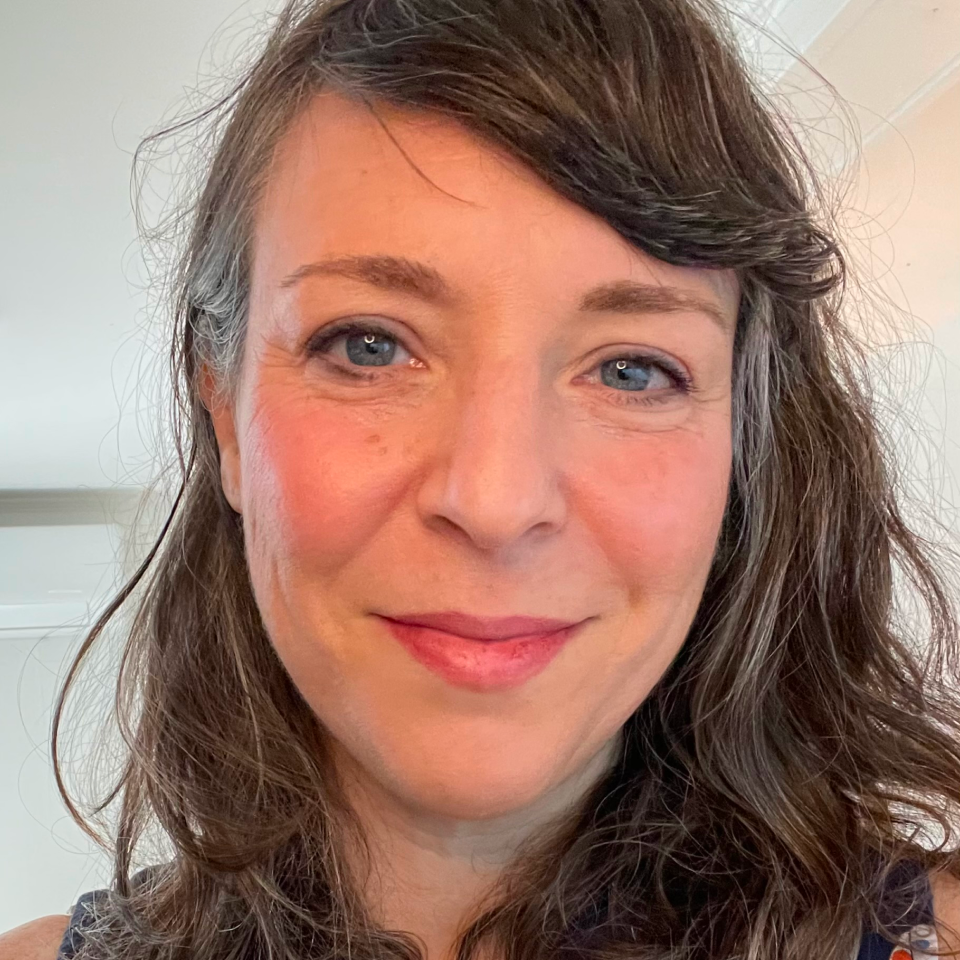
Julie Meslin has been an occupational therapist for 13 years. She has a background in theater design and writing. Between 2021-2024, she designed an art-based social group program for children and families residing in domestic violence shelters in NYC. She expanded this project to serve over 50 children at three shelter sites by partnering with OT degree programs. She currently works across the lifespan: as an OT in Early Intervention and as a program administrator and facilitator for Aging Alone Together®, DOROT’s flagship program for solo agers.
She first used filmmaking in OT practice after meeting Marilena Marchetti, OT and founder of The Film Festival from Mars. They have since co-created a continuing education course to teach other practitioners how to engage children with special needs in filmmaking – empowering them to create culture, information, and entertainment.
Building Resilient Beginnings through a Virtual Music Program for Preterm Infants
Amy Smith and Miriam Lense, Vanderbilt University Medical Center
About 1 in 10 babies is born preterm, increasing their risk for later language and social challenges. Building Resilient Beginnings examines whether a virtual music program can strengthen parent responsiveness, a key driver of early language and social development that may be disrupted by subtle differences in infant communication. Because music is engaging and predictable, it may provide a powerful way to support both preterm infants and caregivers.
In this pilot randomized controlled trial, 40 families with preterm infants ages 6–12 months will participate. Using innovative, at-home measures, the team will test how a virtual music program, compared to a play-based program, shapes everyday parent–infant interactions. By identifying how music enhances parent responsiveness, this study will lay the groundwork for scalable interventions that promote early developmental resilience in preterm infants.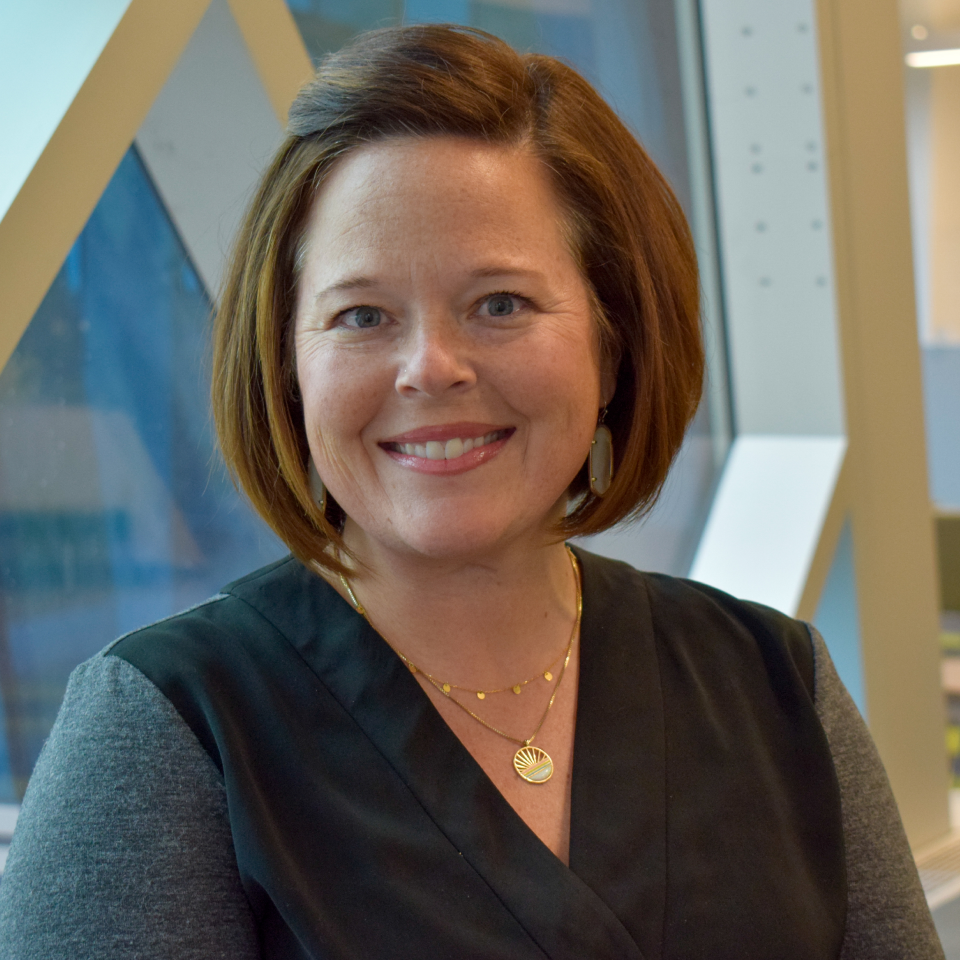
Amy Smith
Dr. Amy Smith is a postdoctoral research scholar in the Music Cognition Lab at Vanderbilt University Medical Center. As a translational clinician-researcher, Smith studies intervention strategies for high-risk infants, with a focus on the mechanisms linking music, early parent-child interaction, and language development. She brings over 15 years of clinical experience as a music therapist in pediatric healthcare, where she has supported the developmental needs of hospitalized infants and toddlers.
Smith’s work integrates clinical insight with research, contributing to the design and implementation of music-based interventions targeting language, social communication, and parent-child relationships. Her research is supported by the National Institutes of Health Clinical and Translational Science training program.
Miriam Lense
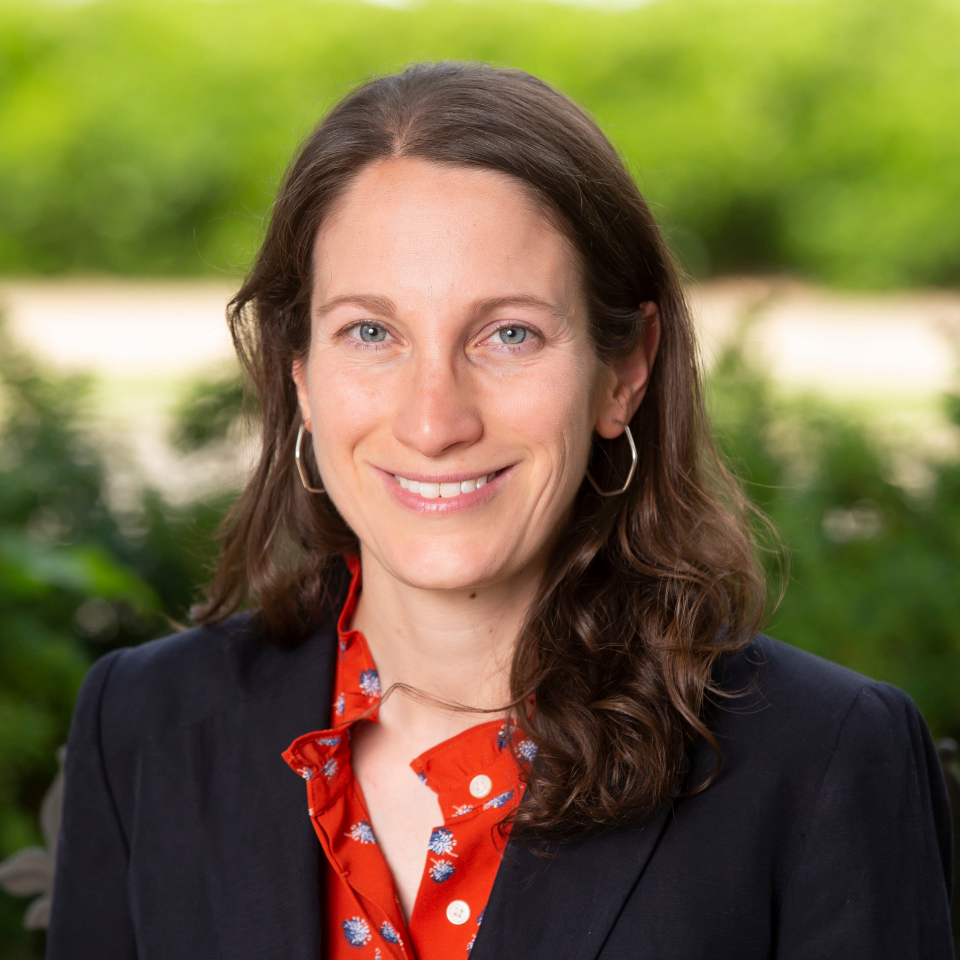
Dr. Miriam Lense is an Associate Professor and licensed clinical psychologist at Vanderbilt University Medical Center, where she co-directs the Vanderbilt Music Cognition Lab. Her work investigates the intersection of human musicality with health and development, with a focus on children with and without developmental differences and their caregivers/families. Her current research focuses on rhythm and multimodality as mechanisms through which music and song support social interaction and social-emotional well-being.
She has developed and adapted multiple music-based interventions including the Serenade Parent-Child Music Program, Mindfulness-Based Music and Songwriting, and Music-Enhanced Reciprocal Imitation Training. Her research is funded by the National Institutes of Health and National Endowment for the Arts.
Evaluating Theatre and Storytelling as a Neuroarts-Informed Health Coaching Intervention for Young Adults Living with Obsessive-Compulsive Related Disorders (OCRDs) and Complex Trauma
Zoe Smith, University of Denver and Saharra Dixon, Arts in Health Practitioner
This project examines how arts-based, communal practices influence mental health outcomes among adults with Obsessive-Compulsive Related Disorders like Body- Focused Repetitive Behaviors and Body Dysmorphic Disorder. Moving beyond linear models of symptom reduction, the study centers healing as an embodied, relational process, emphasizing affect regulation, social connection, meaning-making, and agency. The primary objective is to evaluate the impact of a neuroarts intervention on affect, connectedness, symptom severity, support-seeking behaviors, and to identify underlying mechanisms of change, including emotional expression, communal resonance, and narrative reframing.
Using a mixed-methods, participatory action research design, participants will engage in a Praxis of Care that integrates health coaching with storytelling-based activities. Pre- and post-intervention surveys will assess symptoms, trauma, emotion regulation, and social connectedness. Qualitative data, including observations, semi-structured interviews, and creative artifacts, will contextualize outcomes and elucidate intervention mechanisms. This study advances culturally responsive, arts-based approaches to behavioral health care for marginalized populations.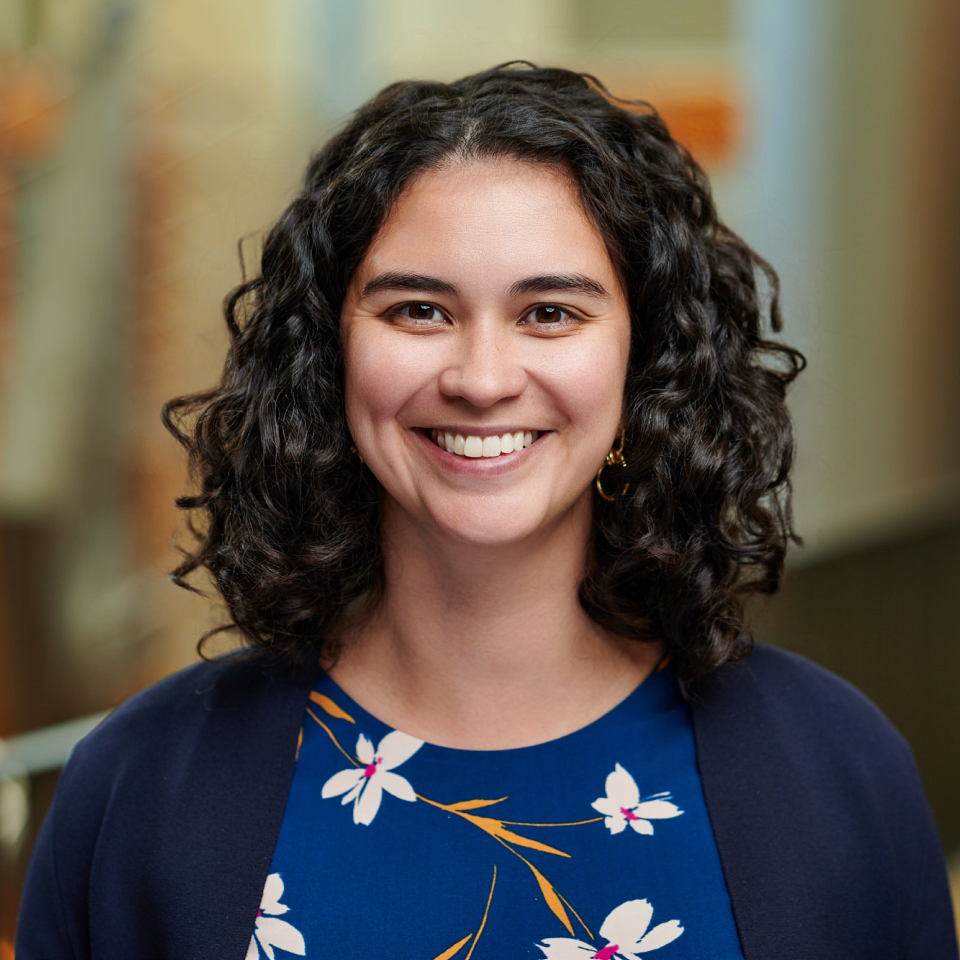
Zoe Smith
Dr. Zoe Smith is an assistant professor of psychology at University of Denver in the clinical program. Her research is focused on providing culturally responsive mental health services, including assessments and therapy. In particular, she works with Black and/or Latiné youth and their families with ADHD and also focuses on how systemic and interpersonal trauma affect youth.
Smith uses community based participatory action research methods to understand the lived experiences of families. She is also a statistical consultant and provides workshops on culturally responsive work. Smith previously served as an assistant professor for four years at Loyola University Chicago in the psychology department.
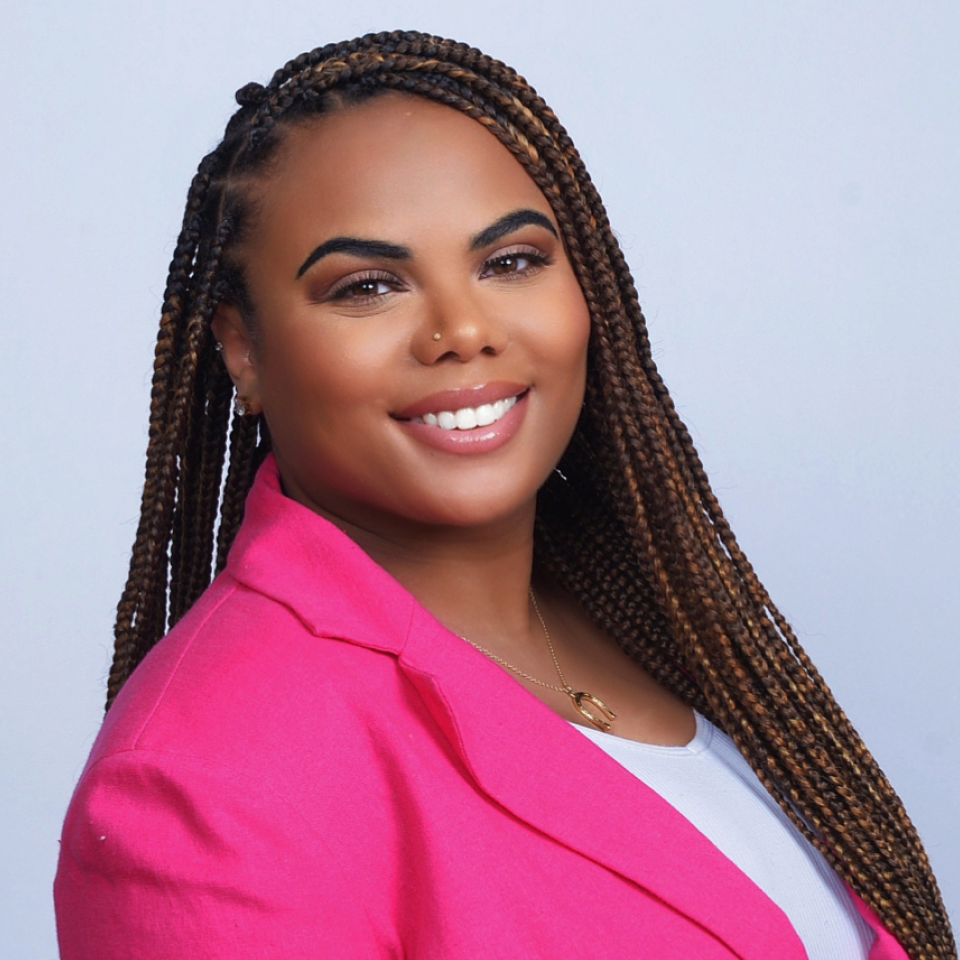
Saharra L. Dixon
Dr. Saharra L. Dixon is a public health storyteller and researcher whose work advances understanding of the biopsychosocial mechanisms linking systemic violence and cultural expectations stress embodiment and neurobehavioral health outcomes. She earned her PhD in Public Health from the University of Massachusetts Amherst and MA in Educational Theatre from New York University. Her dissertation employed a mixed-methods, arts-based approach to understanding BFRBs among Black women using digital storytelling, critical narrative intervention, and endarkened narrative inquiry.
Dixon’s scholarship has been featured in the New York Times and Elle Magazine. She has served as a health equity consultant for organizations like the TLC Foundation for BFRBs and was awarded a 2022 Active Minds Emerging Scholars Fellowship. Dixon has also served as Co-Director for the Worcester Youth Speak Honestly Program at the Hanover Theatre.
Shining Light on Story Drama: Neural Correlates of Emotion Processing in Preschoolers with and without Neurodiversities
Neelima Wagley, Arizona State University and Jenny Millinger, Childsplay Theatre
Story drama creates playful, joyful arts-based learning experiences that support the socioemotional wellbeing and development of preschoolers, particularly for those who are neurodiverse. Yet, the application of story drama to support young children remains limited, in part due to the lack of neuroscientific evidence linking drama-based interventions to outcomes. To address this gap, the team will examine the neural correlates of embodied cognition and emotion processing during story drama in neurodiverse and neurotypical preschoolers using functional near-infrared spectroscopy (fNIRS).
Conducted in real-world classroom settings, this study will establish replicable protocols for using fNIRS with children engaged in drama activities, map neural pathways related to emotion learning and processing through story drama, and identify differences between neurotypical and neurodiverse preschoolers. Findings from this study will inform the underlying mechanisms of drama-based learning and lay the groundwork for future work that advances inclusive arts education practices for neurodiverse and neurotypical children alike.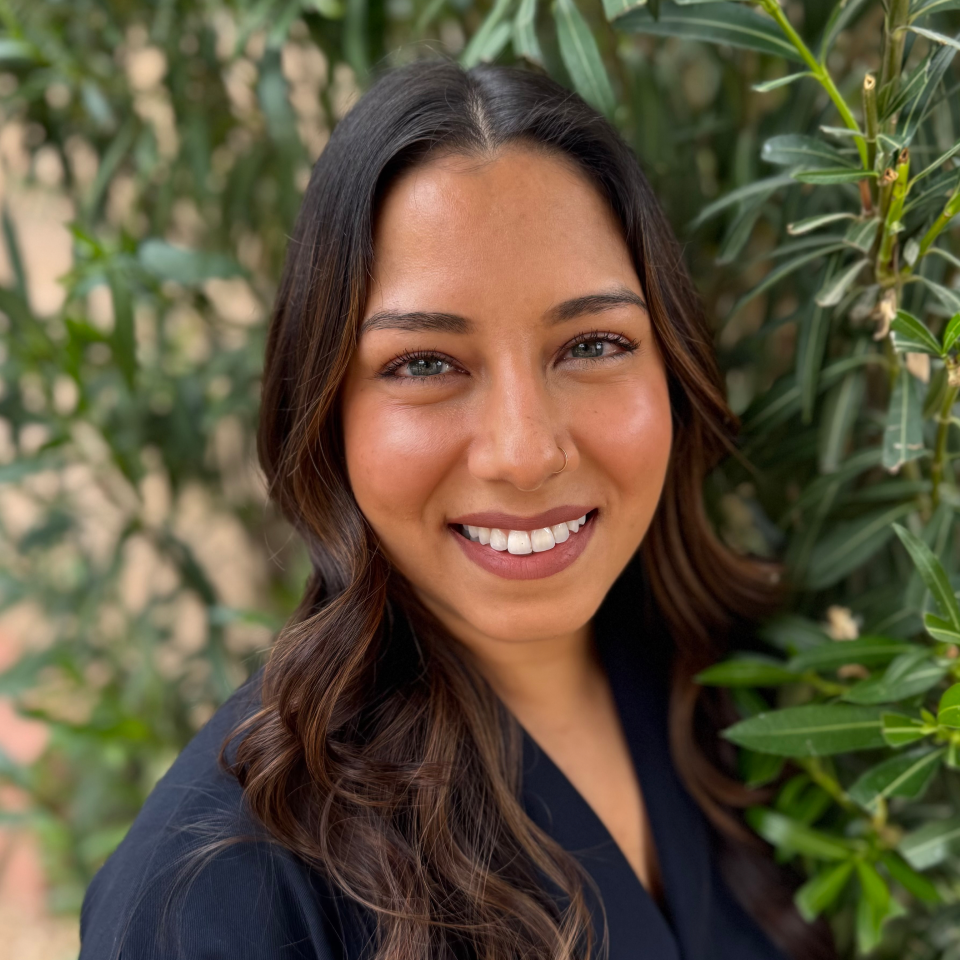
Neelima Wagley
Dr. Neelima Wagley is an Assistant Professor in the College of Health Solutions at Arizona State University and director of the Learning and the Multilingual Brain (LAMB) Lab. Her research focuses on language and literacy development in children from culturally and linguistically diverse backgrounds. She utilizes behavioral, experimental, and multimodal brain imaging methodologies to understand how children acquire different components of language (e.g., sounds, word meanings, grammar), individual variations among children struggling with language and reading skills, and the environmental contexts that support bilingualism in childhood.
Wagley’s work advances our understanding of the neural mechanism of language development and informs targeted programs aimed at the identification and intervention of learning difficulties. She received her doctorate from the University of Michigan and completed her postdoctoral work at Vanderbilt University. Her research has been funded by the National Institutes of Health and the U.S. Department of Education.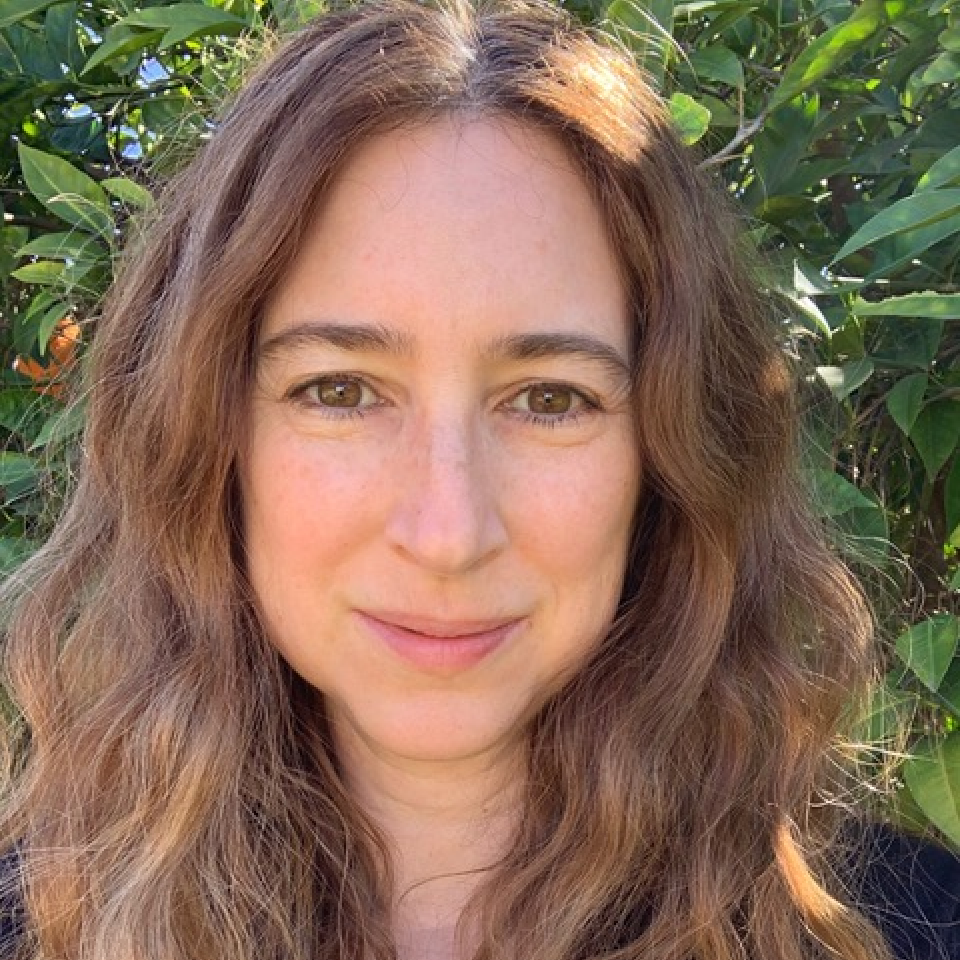
Jenny Millinger
Jenny Millinger is a playwright, deviser, and educator specializing in creating theatre with and for young people. She is Associate Artistic Director at Childsplay, a professional theatre for young audiences, where she leads both Childsplay’s New Play Development program and its Literacy@Play arts integration program. For two decades, she has collaborated with researchers at Arizona State University to explore how drama-based learning supports children’s socio-emotional growth and language/literacy development.
Millinger’s artistry and research are inspired by moments of breakthrough learning, newly-discovered bravery, and incandescent joy she sees every day when young people engage in drama - and by a driving need to understand why and how the act of telling and inhabiting stories creates these transformative moments. Motivated by Mary Helen Immordino-Yang and others who explore the neuro underpinnings of the learning process, she has long wished for technology to map neuroactivity during drama…this project makes her dream a reality.
SLOWART Connections: A Social Prescription for Dementia-Care Dyads in Southeastern North Carolina
Charlotte Weiss, University of North Carolina Wilmington School of Nursing and September Krueger, Cameron Art Museum
SLOWART Connections is a museum-based, micro-dose intervention designed to improve emotional wellbeing, social connection, and relationship quality among people living with dementia and their care partners. Depression, loneliness, and relationship strain are common in dementia-care dyads and are linked to accelerated cognitive and health decline.
In a one-year pilot randomized controlled trial, 60–80 dyads will be assigned to either a facilitator-led slow-looking visual art intervention or an active control. Intervention sessions combine mindful group art viewing with guided dyadic discussion. Outcomes will be evaluated using mixed methods, including validated surveys, ecological momentary assessments, observations, and interviews. Additional aims include co-creating dementia narratives and examining sustained arts engagement through a one-year museum membership. Developed in partnership with the University of North Carolina Wilmington, Cameron Art Museum, and LifeCare Memory Partners, this interdisciplinary project advances evidence for equitable, scalable neuroarts interventions supporting dementia-care dyads.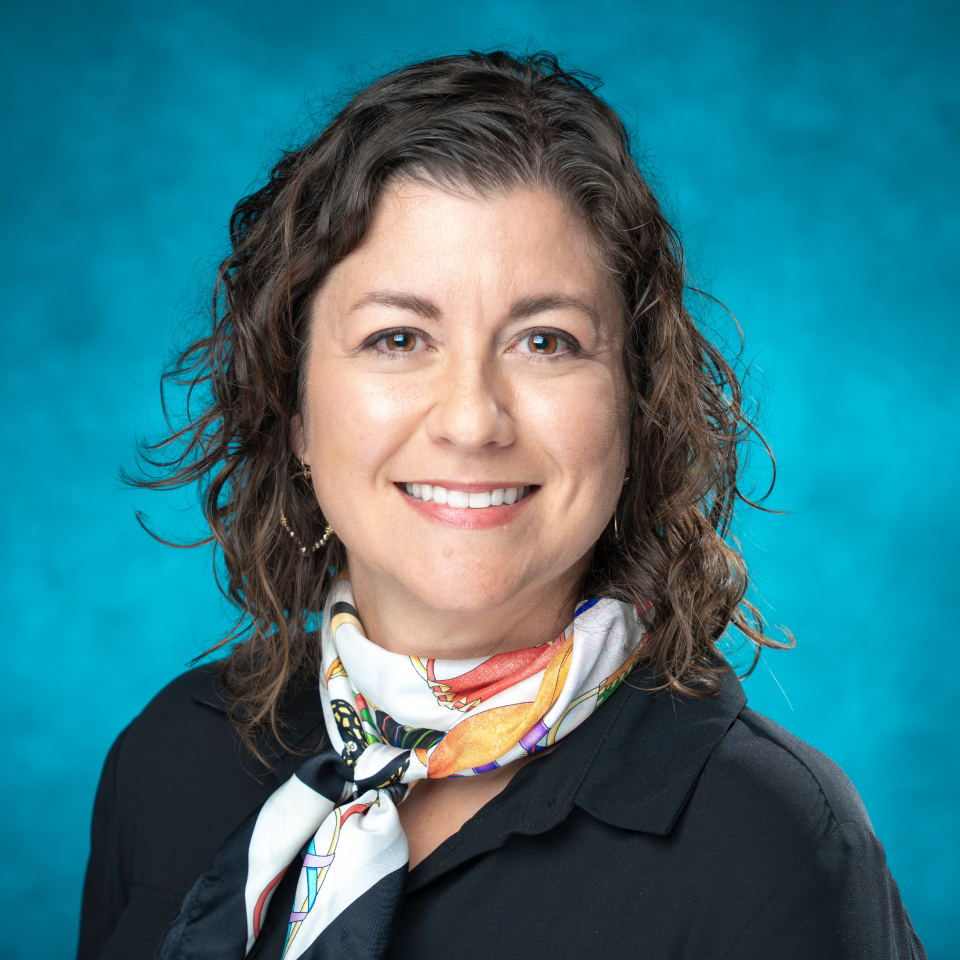
Charlotte Weiss
Dr. Charlotte Weiss is an Assistant Professor at the University of North Carolina Wilmington School of Nursing whose interdisciplinary scholarship centers on the emotional and social wellbeing of older adults with multiple chronic conditions including dementia and their family caregivers, and the healing potential of the arts for brain health. A nurse scientist and experienced palliative care clinician, Weiss brings over two decades of clinical practice and training in caring science, palliative care, arts-based qualitative inquiry, and mixed-methods research. She is an AGING Initiative scholar in Multiple Chronic Conditions and the 2026 Dementia Palliative Care Clinical Trials program.
Weiss has led and contributed to federal and foundational-funded research focused on caregiver wellbeing and arts-based engagement and has presented her scholarship at international conferences and in reputable peer-reviewed journals. She is committed to community-engaged research that advances equitable, non-pharmacological interventions for older adults with chronic conditions including dementia and their family caregivers.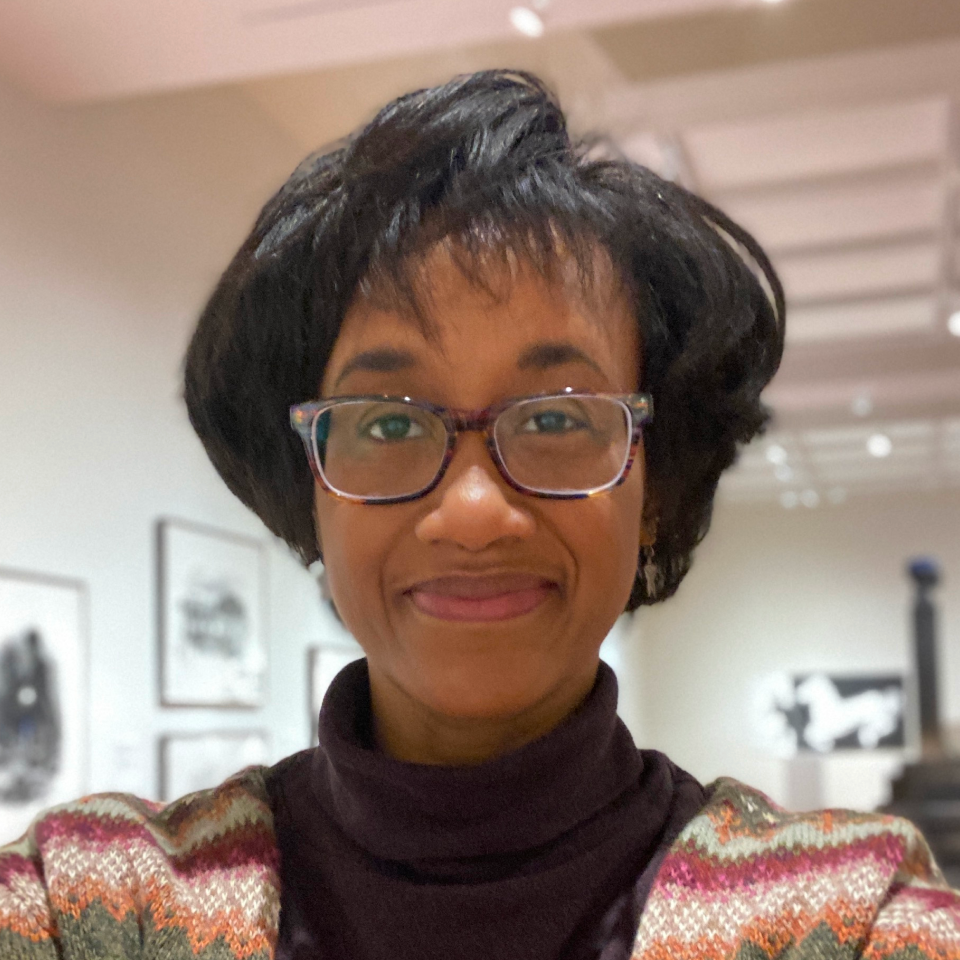
September Krueger
September Krueger is an artist and educator dedicated to fostering creativity and connection as Curator of Education and Public Programs at the Cameron Art Museum. She oversees the Museum School and public programs for all ages, creating opportunities that connect exhibitions and collections with the community. Krueger holds an MFA in Textiles from East Carolina University and spent nine years teaching in the North Carolina Community College system. Since 2011, she has served as a Fellow with the A+ Schools Program, advocating for arts integration, collaborative learning, and multiple intelligences in education.
As an artist specializing in fibers and printmaking, Krueger’s work explores storytelling and mythology. Deeply engaged in her community, she serves with the Wilmington Juneteenth Committee and Lower Cape Fear Wildlife, reflecting her commitment to cultural celebration, environmental stewardship, and lifelong learning.